-
-
-
NH 31, Bhaganbigha,PO-Sohsarai, Bihar Sharif,Dist-Nalanda, (Bihar)
Rohit Kumar
June 09, 2026
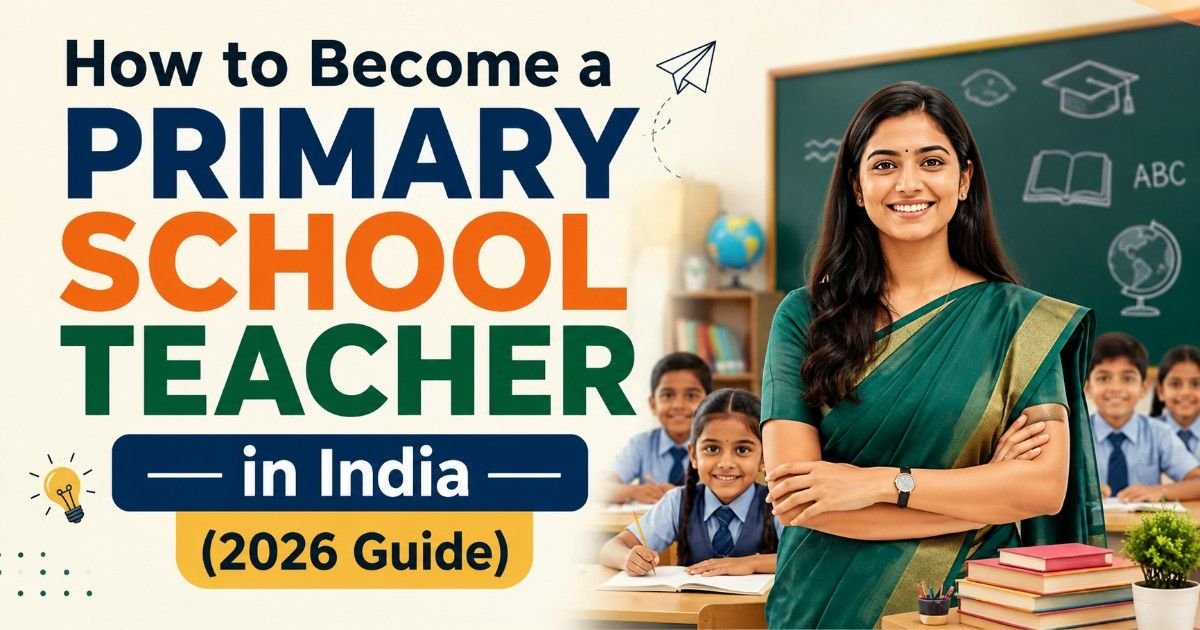
How to Become a Primary School Teacher in India (2026 Guide)
Discover the step-by-step pathway to becoming a primary school teacher in India. Learn about D.El.Ed eligibility, CTET requirements, career scope, salary, and essential skills for 2026.
"A good teacher can inspire hope, ignite the imagination, and instill a love of learning." — Brad Henry
How to Become a Primary School Teacher in India?
To become a primary school teacher in India, you must complete Class 12 with at least 50% marks, pursue a recognized D.El.Ed (Diploma in Elementary Education) course, clear CTET Paper 1 or your State TET examination, and apply for teaching positions in government or private schools.
With the implementation of the National Education Policy (NEP) 2020, the demand for qualified and skilled primary school teachers has increased significantly. Schools today seek educators who can combine traditional teaching methods with modern educational technology and child-centered learning approaches.
In this comprehensive guide, you'll learn the complete process, eligibility criteria, salary expectations, and career opportunities for becoming a primary school teacher in India in 2026.
What Does a Primary School Teacher Do?
Primary school teachers typically teach students from Classes 1 to 5 and play a vital role in building a child's academic and social foundation.
Their responsibilities include:
Creating engaging and interactive learning environments.
Teaching foundational literacy and numeracy skills.
Assessing student progress and learning outcomes.
Supporting children's emotional and social development.
Using educational technology to enhance classroom learning.
Communicating effectively with parents and guardians.
Encouraging creativity, critical thinking, and problem-solving skills.
Modern educators are expected to be mentors, facilitators, and role models who nurture the overall development of children.
Eligibility Criteria for Becoming a Primary Teacher
To become a primary school teacher in India, candidates generally need to fulfill the following requirements:
Educational Qualification
Pass Class 12 (10+2) from a recognized board.
Secure at least 50% aggregate marks (relaxation may apply for reserved categories as per government norms).
Complete a recognized teacher training program such as D.El.Ed.
Professional Qualification
Qualify the Central Teacher Eligibility Test (CTET) Paper 1 or the relevant State Teacher Eligibility Test (TET).
Step-by-Step Process to Become a Primary School Teacher
Step 1: Complete Your Higher Secondary Education (10+2)
The first step is completing Class 12 from a recognized educational board. Students from any stream—Arts, Science, or Commerce—can pursue a teaching career at the primary level.
Most teacher training institutes require a minimum of 50% marks in the qualifying examination.
Step 2: Pursue a D.El.Ed (Diploma in Elementary Education)
The D.El.Ed is the most widely recognized teacher training program for aspiring primary school teachers.
D.El.Ed Course Details
Duration: 2 Years
Eligibility: 10+2 with minimum qualifying marks
Curriculum Includes:
Child Psychology
Educational Pedagogy
Classroom Management
Teaching Methodology
Language Education
Mathematics Teaching
Environmental Studies
School Internship and Practical Training
The program focuses on developing teaching skills and understanding children's learning needs at the elementary level.
Step 3: Clear CTET or State TET
Teacher Eligibility Tests are mandatory for government teaching positions.
CTET (Central Teacher Eligibility Test)
Conducted by the Central Board of Secondary Education (CBSE), CTET enables candidates to apply for teaching positions in:
Kendriya Vidyalayas (KVS)
Navodaya Vidyalayas (NVS)
Central Government Schools
For primary teaching positions, candidates must qualify CTET Paper 1, which is specifically designed for Classes 1 to 5.
State TET
Each state conducts its own Teacher Eligibility Test for recruitment in state government schools.
Examples include:
UPTET
BTET
HTET
REET
OTET
A valid TET certificate significantly improves employability in both government and private institutions.
Step 4: Apply for Teaching Jobs
After obtaining your D.El.Ed qualification and TET certification, you can apply for:
Government Schools
State Government Schools
Municipal Schools
Panchayat Schools
Central Government Schools
Private Schools
CBSE Schools
ICSE Schools
State Board Schools
International Schools
Many private institutions also prefer candidates who have qualified CTET or State TET.
D.El.Ed vs B.Ed: Which Course Should You Choose?
Students often get confused between D.El.Ed and B.Ed. The right choice depends on your career goals.
| Feature | D.El.Ed | B.Ed |
|---|---|---|
| Full Form | Diploma in Elementary Education | Bachelor of Education |
| Eligibility | Class 12 Passed | Graduation Passed |
| Duration | 2 Years | 2 Years |
| Target Classes | Classes 1–5 | Classes 6–12 |
| Focus Area | Elementary Education | Secondary and Senior Secondary Education |
| Best For | Students who want to start teaching after Class 12 | Graduates seeking broader teaching opportunities |
Which Is Better?
Choose D.El.Ed if your goal is to become a primary school teacher immediately after Class 12.
Choose B.Ed if you want to teach higher classes or pursue leadership positions in schools.
Primary School Teacher Salary in India
Teaching offers excellent job stability, career growth, and attractive benefits.
Government School Salary
Primary Teachers (PRT) in government schools generally earn:
₹35,000 – ₹45,000+ per month
Additional benefits include:
Dearness Allowance (DA)
House Rent Allowance (HRA)
Travel Allowance (TA)
Medical Benefits
Pension Benefits under NPS
Private School Salary:
Entry-Level: ₹15,000 – ₹25,000 per month
Experienced Teachers: ₹30,000 – ₹60,000 per month
International Schools
Highly qualified and experienced educators may earn:
₹50,000 – ₹1,00,000+ per month
depending on experience, location, and institution reputation.
Career Scope of Primary Teachers in 2026
The future of elementary education in India remains highly promising.
Growing opportunities include:
Government Schools
Private Schools
International Schools
Educational NGOs
Online Learning Platforms
Curriculum Development Organizations
EdTech Companies
Special Education Programs
With increased focus on foundational learning under NEP 2020, qualified primary teachers are expected to remain in high demand across India.
Top 5 Skills Required for Modern Educators
1. Digital Literacy
Teachers should be comfortable using:
Smartboards
Educational Apps
Learning Management Systems
AI-powered educational tools
2. Emotional Intelligence
Empathy, patience, and understanding are essential when working with young learners.
3. Adaptive Teaching Skills
Every child learns differently. Effective teachers adjust their methods to accommodate diverse learning styles.
4. Continuous Learning Mindset
Successful educators stay updated with:
New teaching methodologies
Educational research
NEP guidelines
Technology integration strategies
5. Communication Skills
Strong communication helps teachers:
Explain concepts clearly
Build student confidence
Maintain positive parent-teacher relationships
Tips for Success as a Primary Teacher
Choose an NCTE-recognized teacher training institution.
Focus on practical teaching experience during internships.
Develop strong classroom management skills.
Improve your communication and leadership abilities.
Stay updated with educational technology trends.
Prepare thoroughly for CTET or State TET examinations.
Conclusion
Becoming a primary school teacher in India is a rewarding career choice that offers professional stability, social respect, and the opportunity to make a lasting impact on young lives. By completing your Class 12 education, pursuing a recognized D.El.Ed program, and qualifying CTET or State TET, you can build a successful teaching career in government or private institutions.
As India continues to strengthen its education system through NEP 2020 reforms, the demand for skilled and compassionate primary educators will continue to grow. If you are passionate about shaping the future generation, now is an excellent time to begin your journey into elementary education.
Frequently Asked Questions (FAQs):
Q1. What is the minimum qualification to become a primary school teacher in India?
You must have passed Class 12 with at least 50% marks and completed a recognized D.El.Ed (Diploma in Elementary Education) program. Additionally, qualifying CTET Paper 1 or State TET is generally required for government teaching positions.
Q2. Is CTET mandatory for primary teachers?
Yes. CTET is mandatory for many central government schools and is widely preferred by reputed private schools. State government schools usually require candidates to qualify their respective State TET examinations.
Q3. Can I pursue D.El.Ed after graduation?
Yes. However, graduates often prefer pursuing a B.Ed because it provides opportunities to teach higher classes and expands career prospects.
Q4. What is the duration of the D.El.Ed course?
The D.El.Ed program is typically a two-year diploma course focused on elementary education and child development.
Q5. Is D.El.Ed the same as BTC?
Yes. BTC (Basic Training Certificate) was the earlier name used in several states. Today, the course is commonly known as D.El.Ed (Diploma in Elementary Education).
Q6. What is the average salary of a primary school teacher in India?
Primary school teachers typically earn between ₹15,000 and ₹25,000 per month at entry-level private schools, while government school teachers often earn ₹35,000 to ₹45,000 or more, along with additional allowances and benefits.
Start Your Teaching Journey with the Best
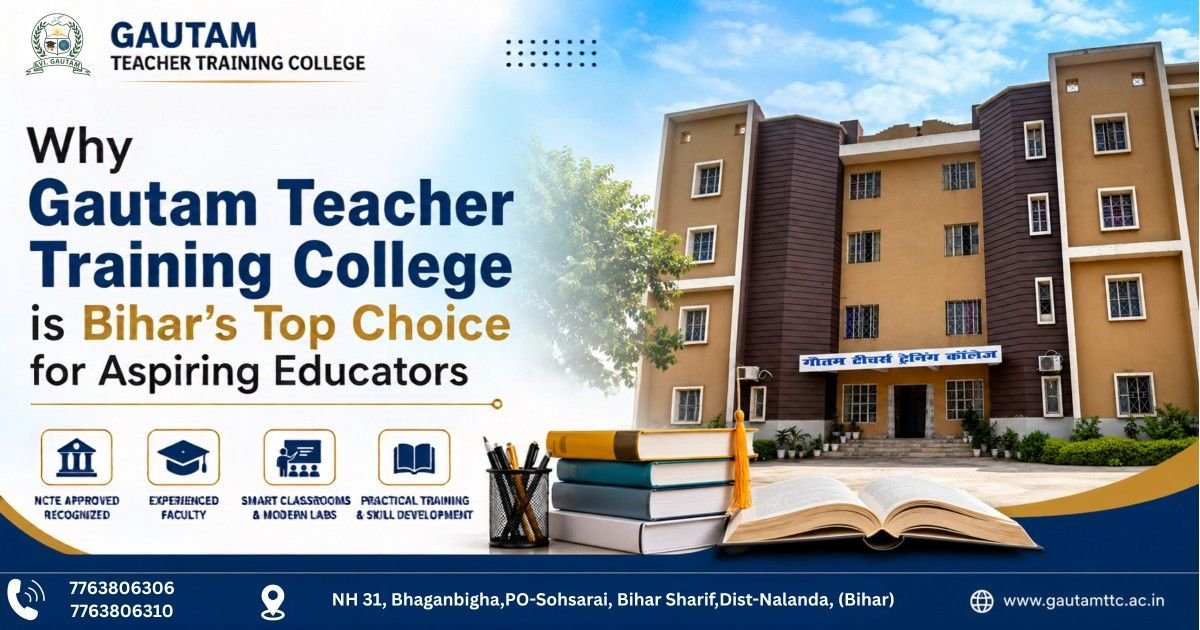
Choosing the right institution is the most critical first step toward a successful and impactful teaching career. If you are looking for a premier, NCTE-approved institute to pursue your D.El.Ed, B.Ed, or M.Ed, Gautam Teacher Training College (GTTC) is your ideal destination. Located in the historic city of Bihar Sharif, Nalanda, GTTC has been shaping future educators since 2011. With highly experienced faculty, modern campus infrastructure, and a strong focus on practical, career-oriented training, GTTC provides the perfect environment to turn your passion for teaching into a rewarding profession.
.png)